Themes
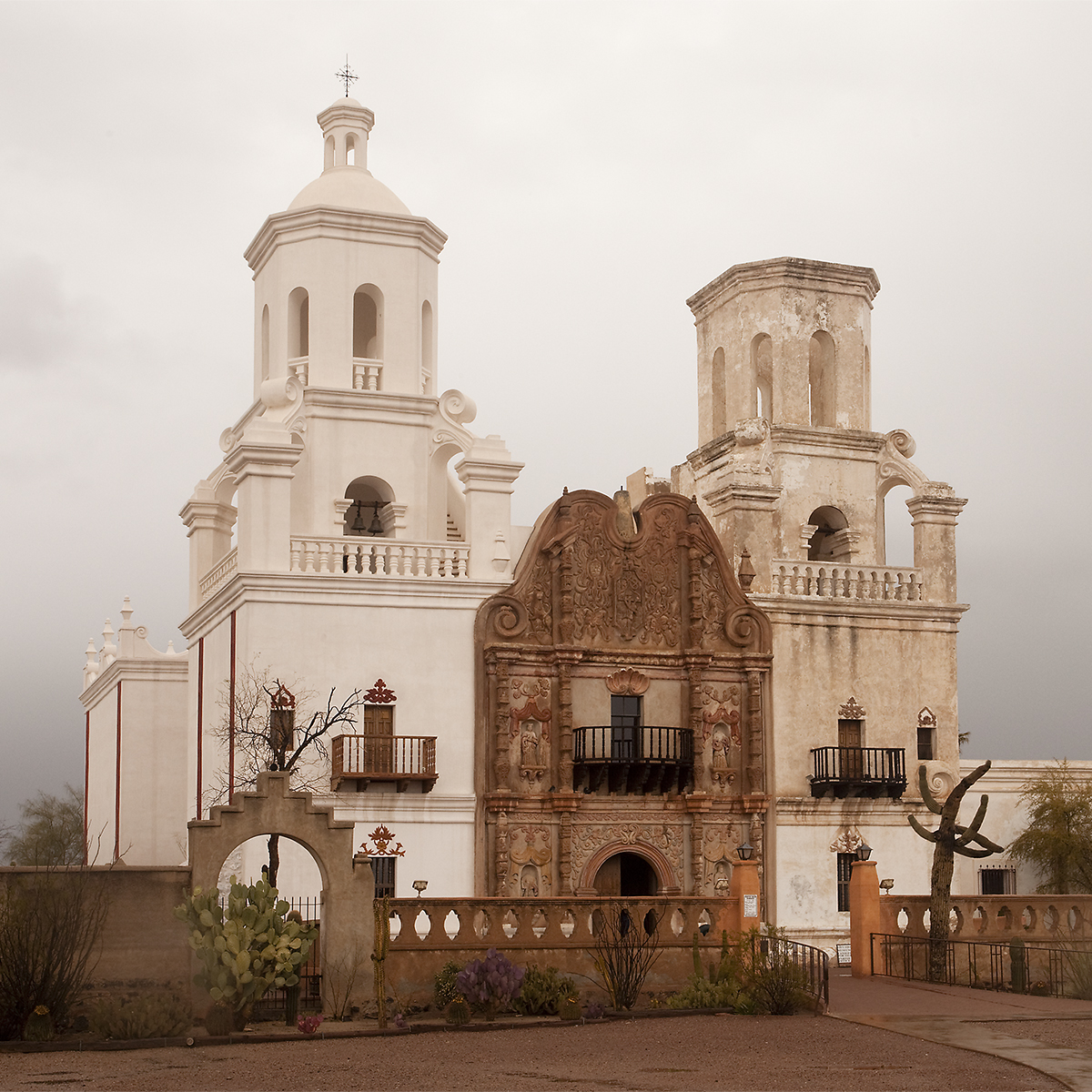
George Fellner’s dual life-path involving visual discovery and design encompasses the natural and built environments. His experiential observations, including travel highlights, witnessing the wonders of the Earth serve to inspire a wide range of photographic genres. Through an evolutionary process, he has also engaged in focused interest themes. Starting out as special projects, they have grown into intentional pursuits, resulting in multiple themes, each with an evolving series of images.
Imaginary Realms
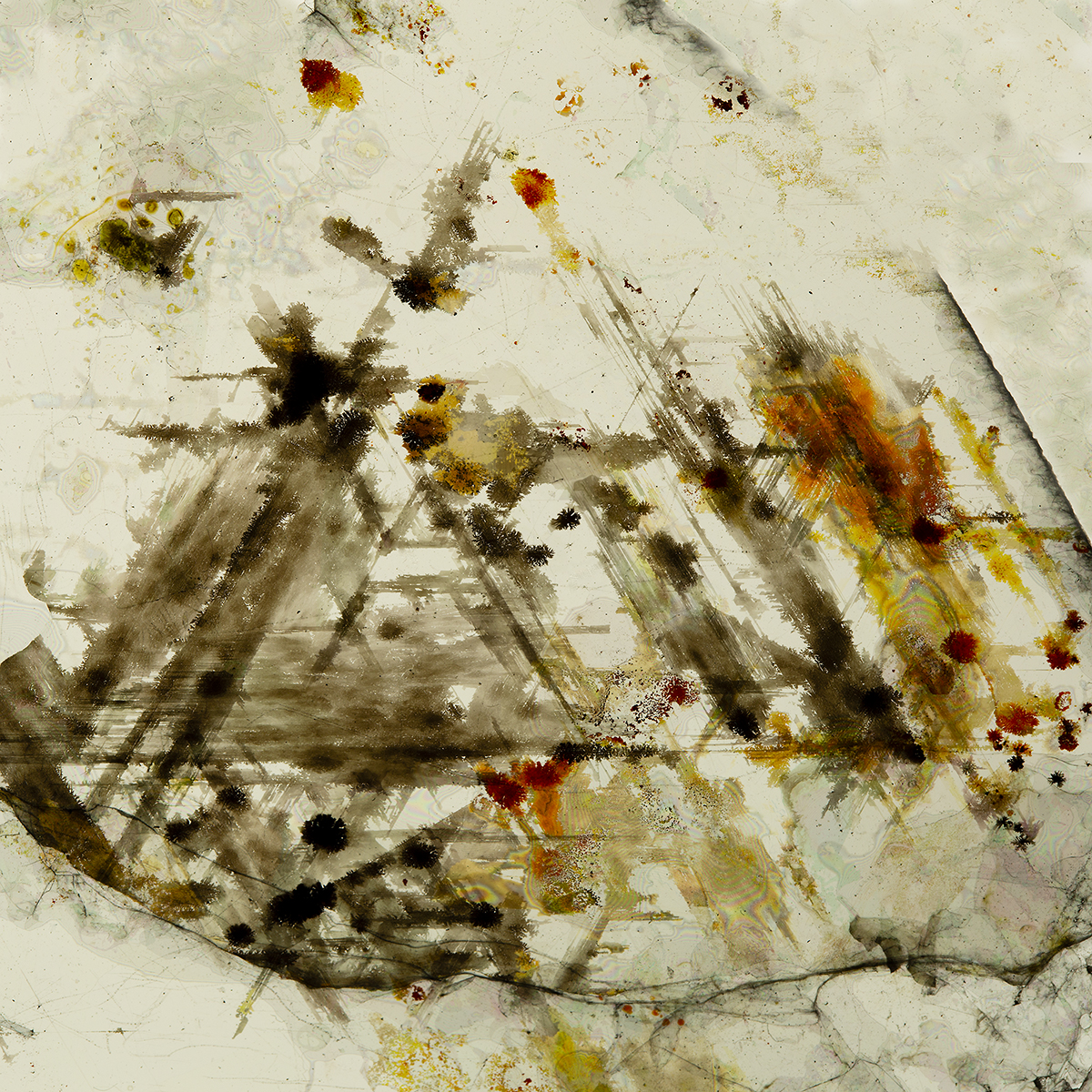
The process begins with the visual exploration of stones and crystals that store information revealing intriguing forms, shapes, and patterns. While the eyes survey the compositions of colors, tonal gradations, and textures, the mind is stimulated to visualize a myriad of possibilities. In essence, nature’s hidden beauty is extracted from within real-world materials. Indeed, the source subject is typically not apparent with this mode of abstract imagery. Influenced by the art movements of Impressionism, Abstract Expressionism, Cubism, and Surrealism, the act of discovery is then juxtaposed with hidden memories and inner dreams. Messages from history, culture, mythology, spirituality, fantasy, astronomy, and the Earth sciences provide a plethora of potential points of departure and metaphorical seeds. This creative process results in Imaginary Realms, evoking ancient and future fantasies, as well as planetary and cosmic-scapes, traversing space, time, and dimension.
Manifestations of Surreality
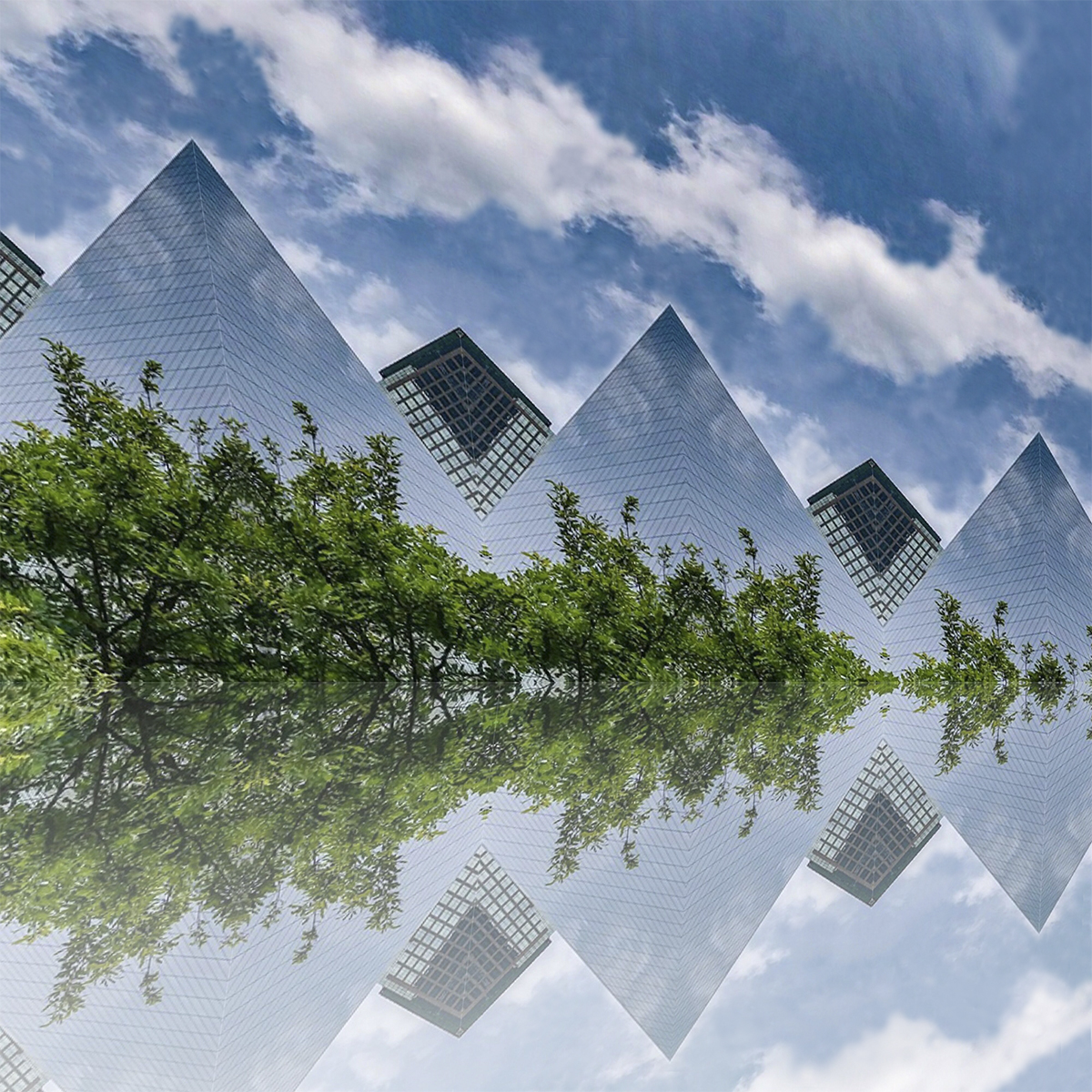
This series involves a visual exploration juxtaposing various combinations of natural landscapes, the built environment, and the macro photography of stones and crystals. The journey commences with the experience of photographing inspiring places that offer a certain presence. There is an inherent attraction provided by natural landscapes presenting Earth, water, and atmosphere along with architectural forms and elements. There is also an inherent enticement provided by the inner landscapes within minerals. Implementing strategies in post-processing that may include multi-layers, reflections, transformations, and permutations, it is possible to express imagery that may hover between reality and Manifestations of Surreality.
Thematic Fusion
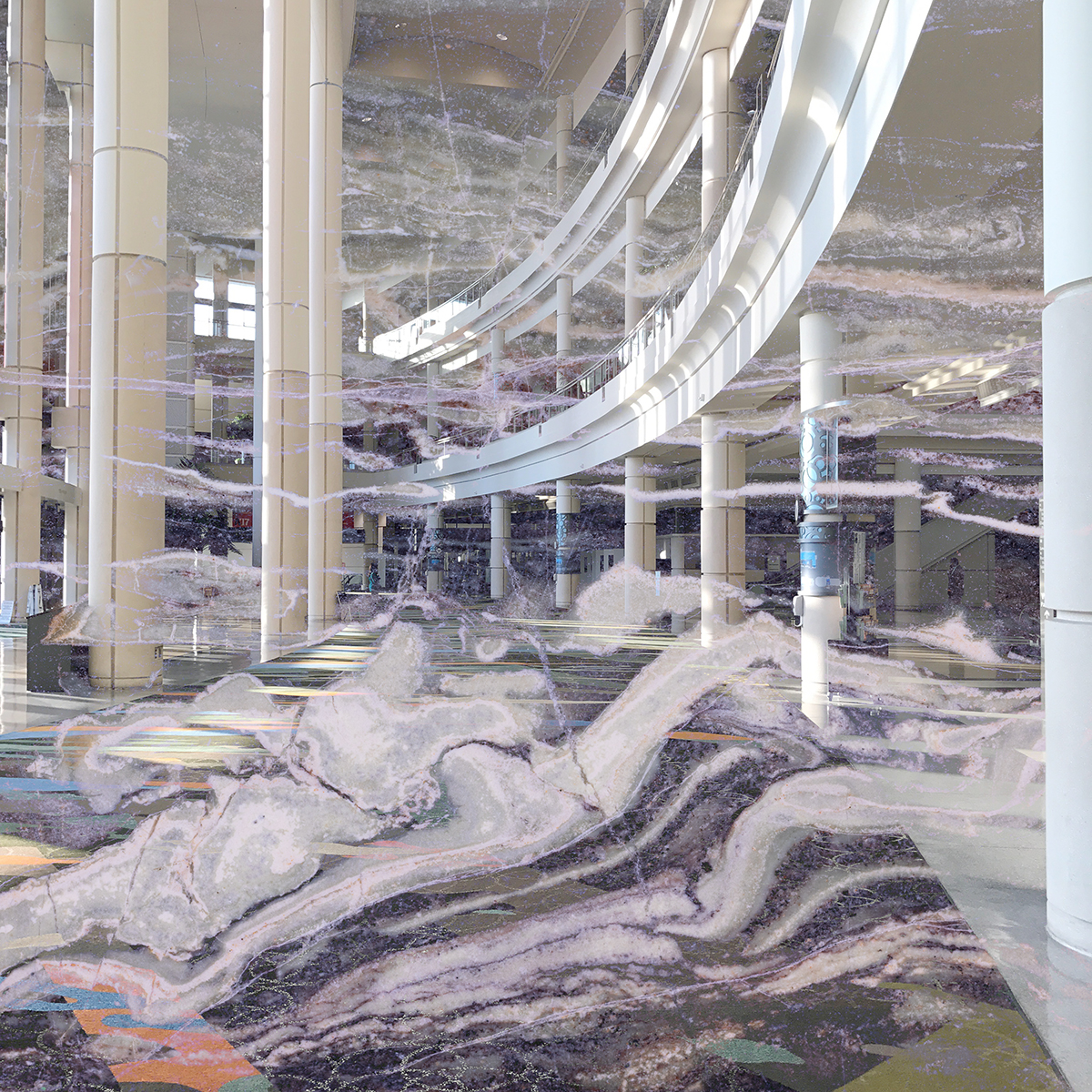
A new theme may sometimes materialize through an evolutionary process of transformation. Ongoing work with Imaginary Realms and Manifestations of Surreality as well as the continual photographic experiences with both the natural and built environments result in a categorical mix of photographic imagery. A natural progression is the Thematic Fusion of these genres that have been part of one’s repertoire. The macro work with minerals, landscapes/seascapes, architecture, and astrophotography comprise a diverse range of resource material. Through the process of association, one can discover unique combinations of multiple images. Using post-processing strategies for considering possibilities, the creative process involving the exploratory blending of these multiple images may sometimes result in astounding juxtapositions. The aspiration is to traverse beyond the direct representation of the physical world, exploring concepts, messages, metaphors, emotions, states of mind, and allowing the imagination to fly.
The intent that is common to the themes of Imaginary Realms, Manifestations of Surreality, and Thematic Fusion is to create images that can invigorate the minds of the fine art photographer and the observers, evoking concepts and fantasies that may traverse space, time, and dimension, as well as alternate realities. Serving as catalysts, these images hopefully inspire observers to take part in their own visual journeys and to provide meaningful messages and metaphors. Ultimately, there is the offered propensity for stimulating the observers’ curiosity and imagination, along with a personal search for insights and universal truths.
Essence of Iceland
The intent to engage in a photographic theme covering Iceland involves a mindset of awareness and visual exploration. For this type of involvement, it helps to categorize spheres of awareness including place, culture, and the natural world. The notion of place involves location, context, scale, and the consideration of space. The perception and interpretation of a place can be implemented both rationally and intuitively. Culture encompasses the manifestations of human intellectual achievement and integrated knowledge transmitted over time. Although this approach is generally relevant for photographing enticing landscapes/seascapes, it is especially essential for Iceland.
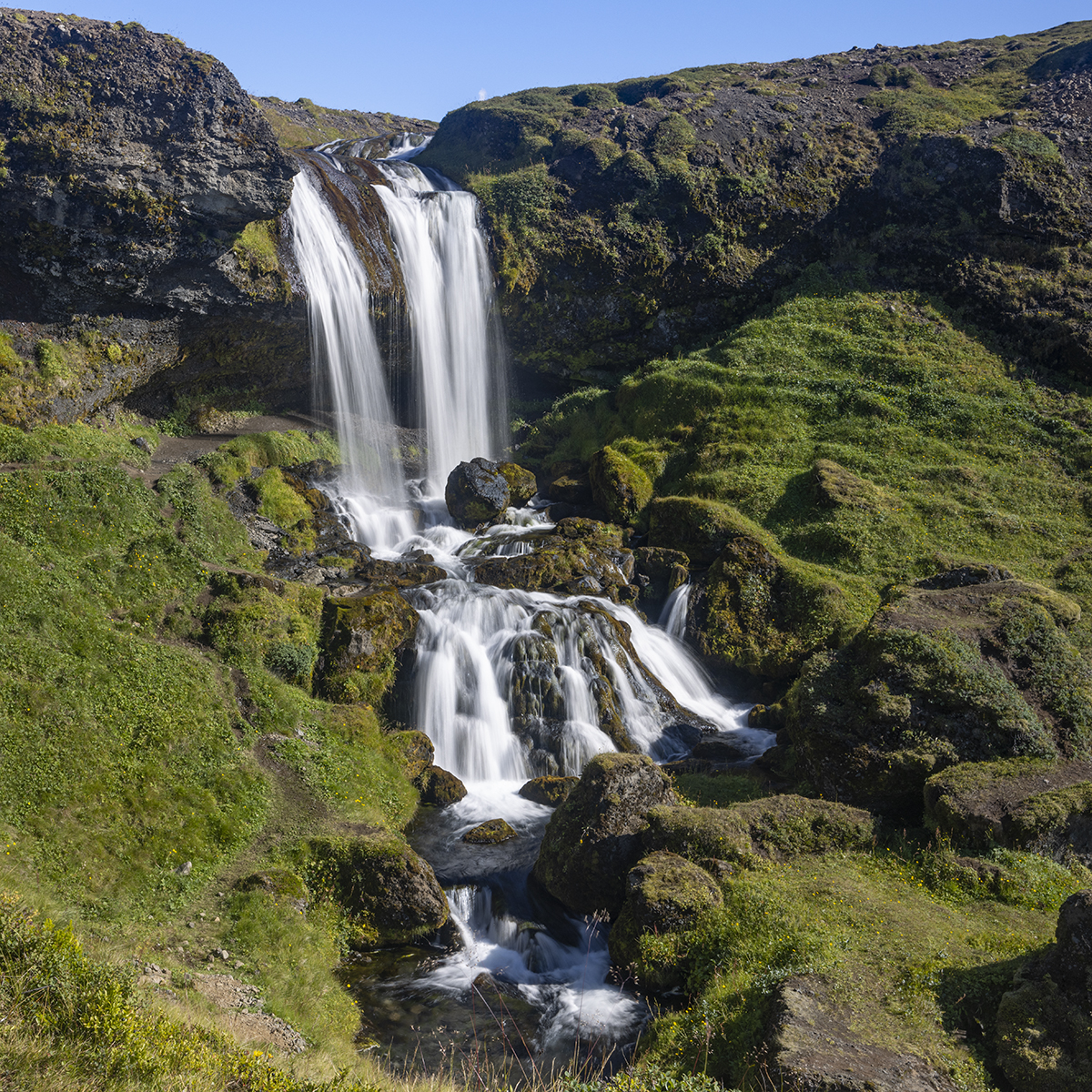
The land of fire and ice offers a cornucopia for the visual exploration of the natural world. Land features include hills and fields, valleys, cliffs, fjords, mountains, and volcanoes. Water features include ocean, lakes, ponds, swamps, rivers, streams, waterfalls, geysers, and hot springs. Fire encompasses volcanic eruptions, lava flows, and fumaroles. In contrast, ice is presented with glaciers, icebergs, and snow. Weather also plays a major role through the effects of sky conditions, light, rain, mist, and fog. Ultimately, the goal is the manifestation of place, culture, and the natural world as visual moments. The key is to discover the essence of these spheres of awareness and potentially gaining insights.
Night Skies
The wonders offered by the night skies can provide intriguing visual interest. A lifetime of curiosity about the heavens can fuel one’s desire to consider photographing both common and rare natural phenomena. The humble opportunity to encounter a comet that happens to visit the Earth can be quite exciting. The cyclical period of some comets can be thousands or even millions of years. Another thrilling engagement involves experiencing the aurora borealis. After years of seeing photos, and having this as a bucket list item, words cannot describe the amazing moments during a photo shoot as the dazzling colored hues shimmer in the night sky. The honor of fulfilling this goal both in Iceland and in Connecticut is truly loaded with gratitude.
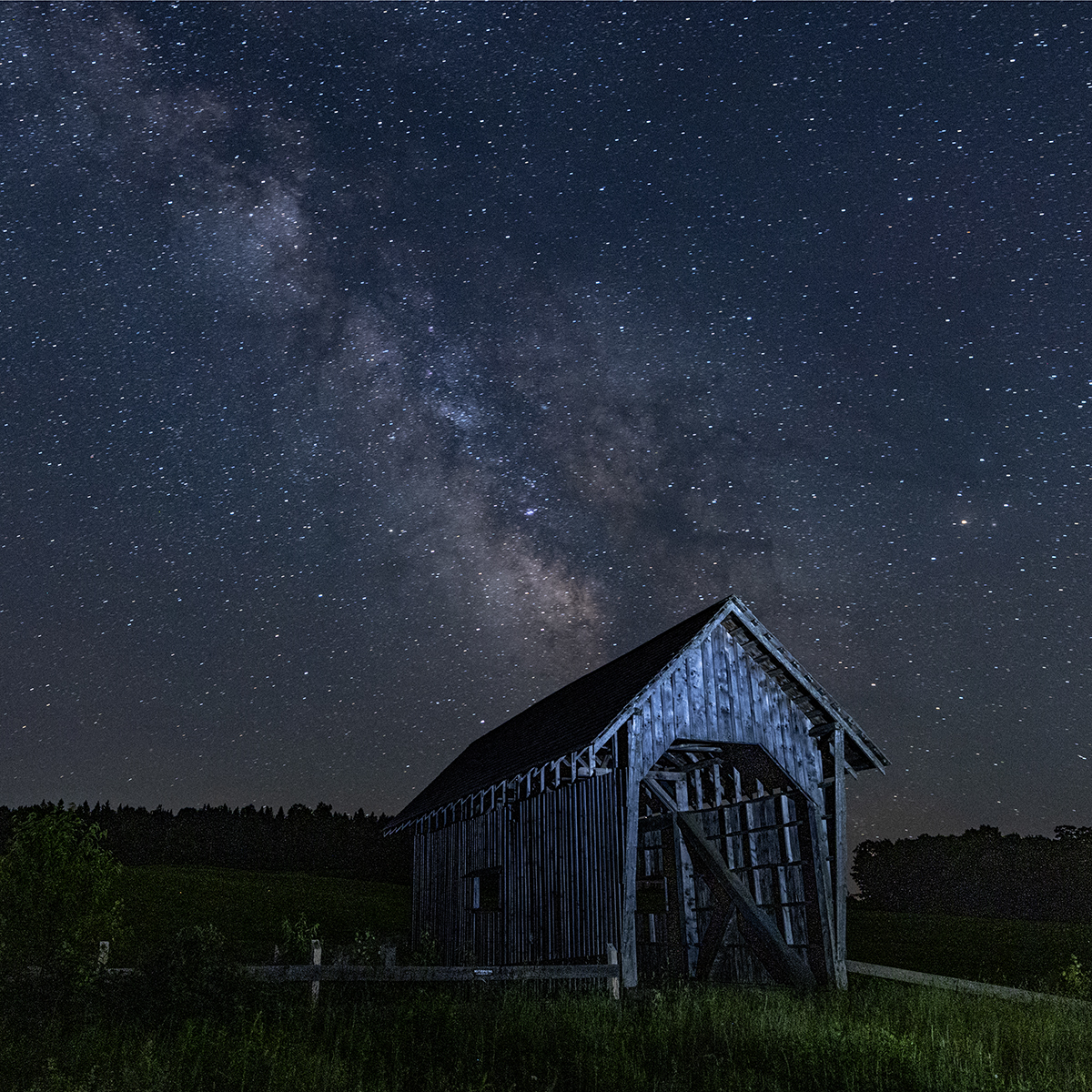
The comforting periodic and changing presence of the moon can offer a challenge to be photographed. During some rare moments, the atmospheric conditions are right for a lunar halo and this presents unique imagery potential. The omnipresence of stars can also call out to entice the photographer. One unique way of seeing stars is to point the camera towards the North Star and take a long series of multiple exposures. Combining them into a single image results in star trails, revealing the reality of Earth’s perpetual rotation. Another bucket list item is to photograph the Milky Way. While there are some limited areas in Southern New England to attempt this, it is far more desirable to find locations with optimal dark skies as found in Northern Vermont. Patiently waiting for the Galactic Center of the Milky Way to appear above the horizon is well worth the effort. After all, it took 26,000 light years for its light to reach our eyes!
There are certainly many technical aspects to learn regarding photo shoot strategies, camera settings, and understanding the multiple factors for photographing the night skies. Furthermore, incorporating site context for optimal compositions is one of the primary goals and light painting objects in the landscape can further enhance the final image. Nevertheless, one can become immersed in the wonder of the cosmos, contemplating the immensity of the universe and our Earth’s humble place within.
An alternate theme that can be fruitful even during cloudy periods involves light painting of objects in the landscape during the blue hour, occurring before sunrise or after sunset. The blue shades of the sky provide a calm and pensive mood offering a different mode of capturing a scene. In turn, intentionally painting selected elements for a composition can provide unique photographic opportunities.
Architecture
This long-term theme involves a mindset benefiting from the educational and professional background as an architect. This experiential lens offers a unique perspective for photographing architecture. Using design sensitivities, the initial goal is to open the senses to explore space, form, geometry, color, texture, and the play of light. Simultaneously, studying the relationship of the building within its site context is paramount. In turn, the conscious effort to identify the quintessential design elements helps to establish the strategy for making an effective image of the built environment. Compositional factors for both exterior and interior architecture incorporating the point of view, perspective, scale, relationship of elements, and details are integral for the photo shoot. The potential presence of people, including cultural references, can provide meaningful connotations as well. Lighting, weather, and atmosphere can also affect the overall mood and flavor of a scene. Sometimes there are opportunities to utilize techniques in post-processing for making playful juxtapositions of images as well as de-construction and re-assembly with the intent of creating abstractions and surreal expressions. The built environment has the propensity to communicate. Capturing the spirit of place and the essence of the architectural subject is an ultimate aspiration.